


Proprietary hardware languages
Every equipment manufacturer uses distinct, closed data protocols, leaving your hospital with a collection of machines that cannot speak to each other.



Healthcare
Critical patient data shouldn't live trapped on a bedside monitor screen. UpArrow Systems designs, implements, and manages secure device integration pipelines built to stream real-time vitals straight from medical equipment into your core clinical software, eliminating manual transcription errors and accelerating critical care response.
Before we talk about solutions, we need to talk about what's actually broken. These are the most common technical bottlenecks and data gaps preventing healthcare facilities from achieving true device connectivity.
Every equipment manufacturer uses distinct, closed data protocols, leaving your hospital with a collection of machines that cannot speak to each other.
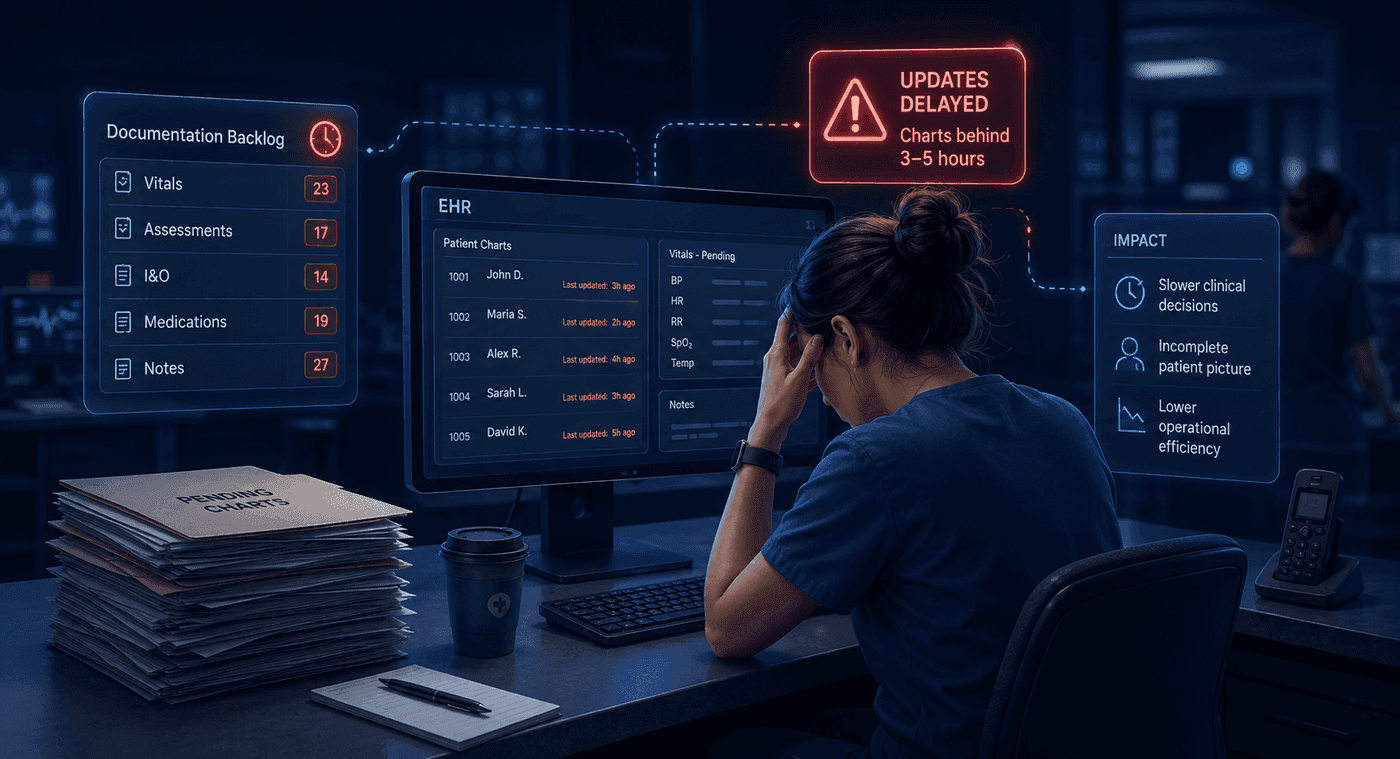
Relying on busy nurses to manually type in vitals means charts are updated hours late, slowing down down-stream treatment decisions.
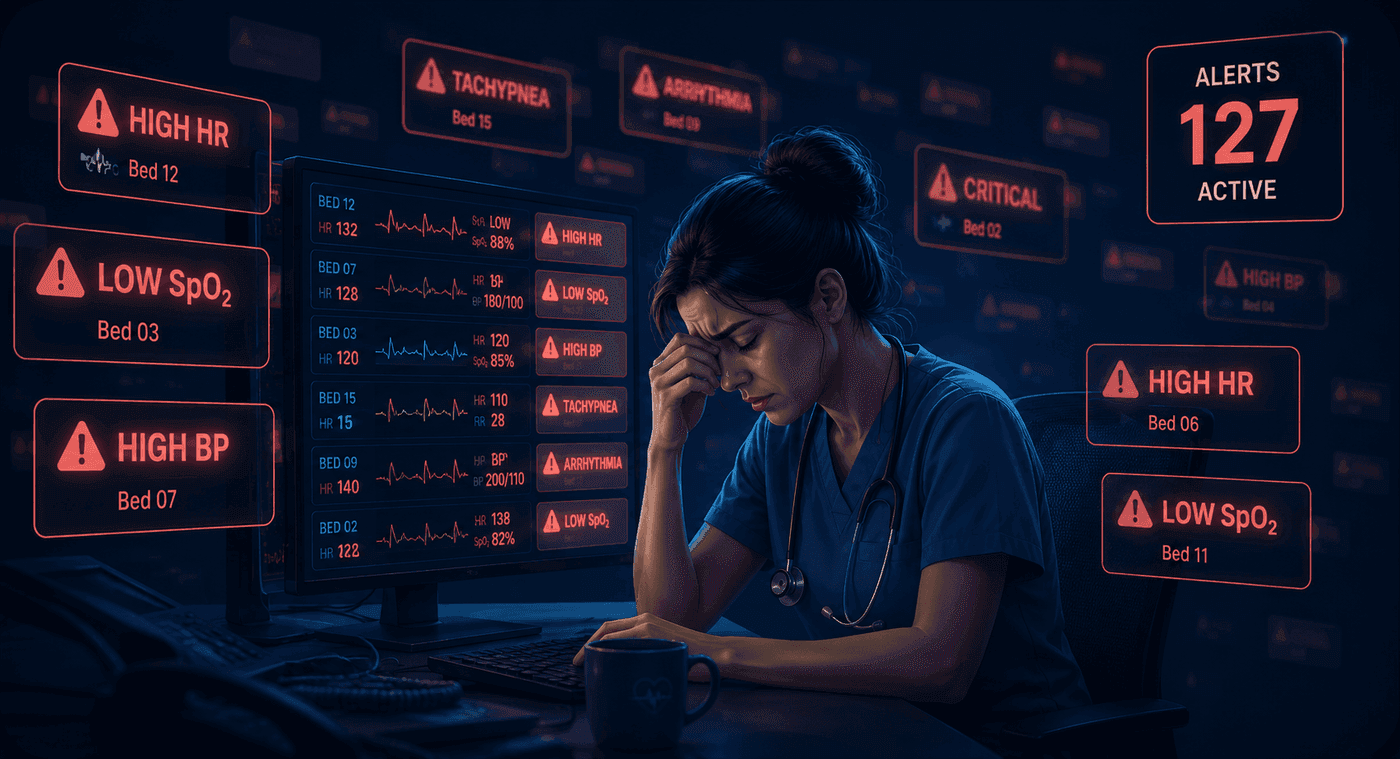
Unfiltered data feeds fire generic alarms for minor, passing changes, causing clinical teams to suffer from alert numbness.
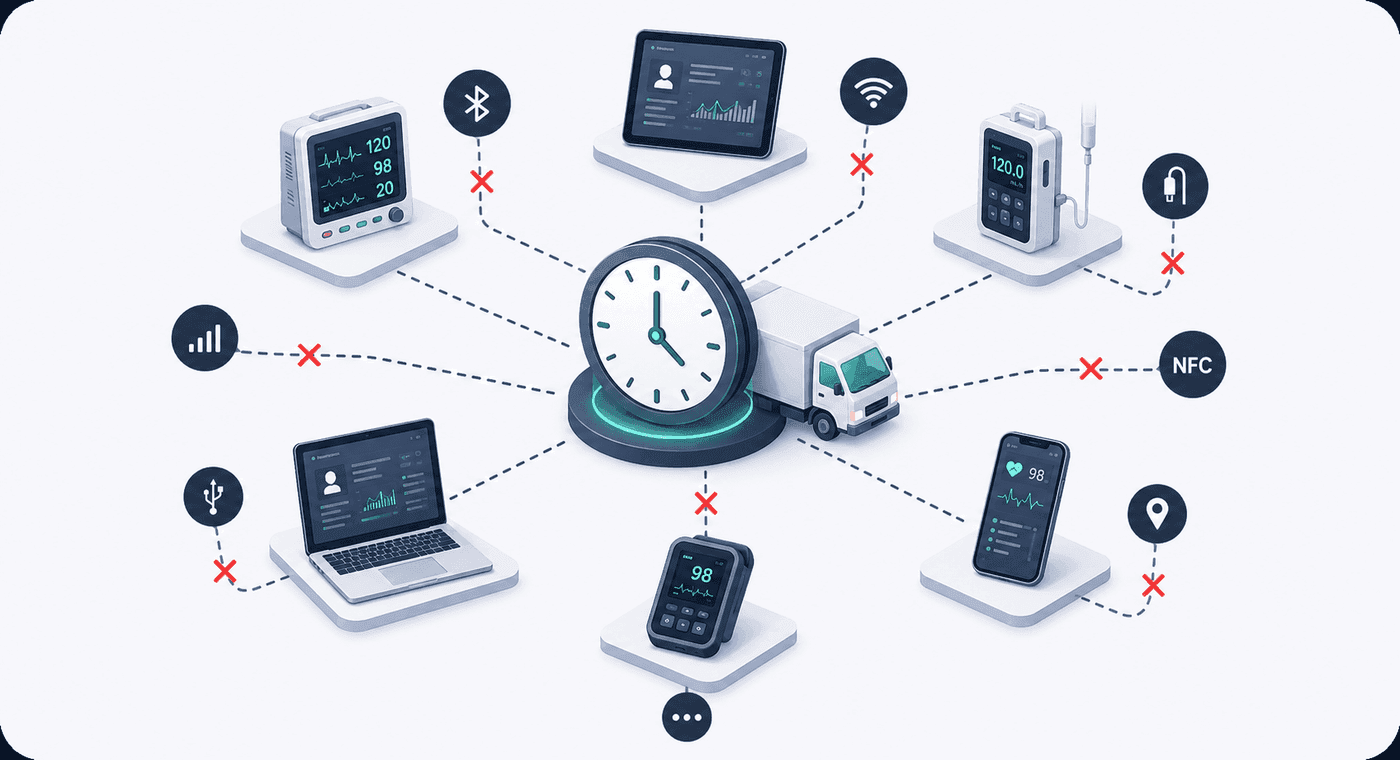
Bedside monitors lose connection completely the moment a patient is moved to another unit or wheeled down to an imaging lab.
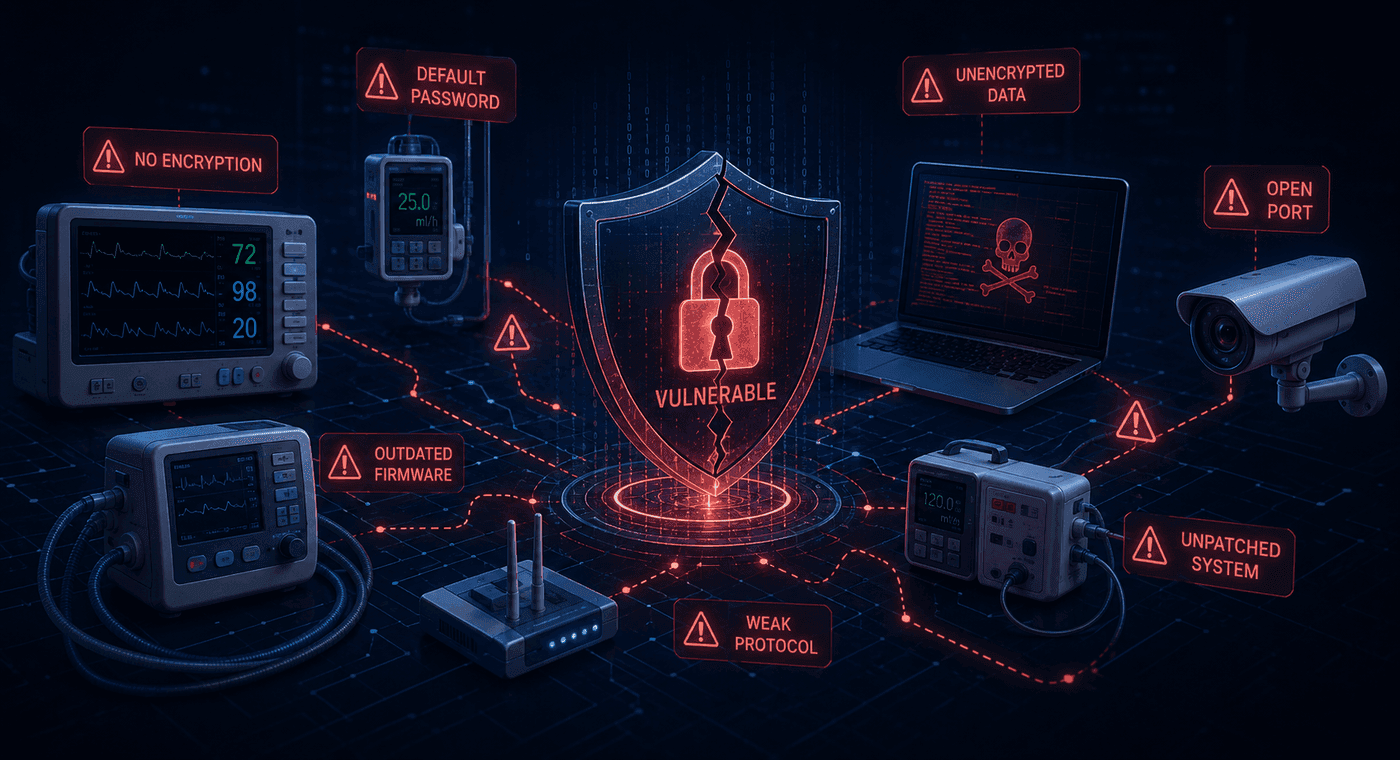
Legacy hospital equipment lacks modern security patches, turning connected pumps and monitors into easy targets for malware.
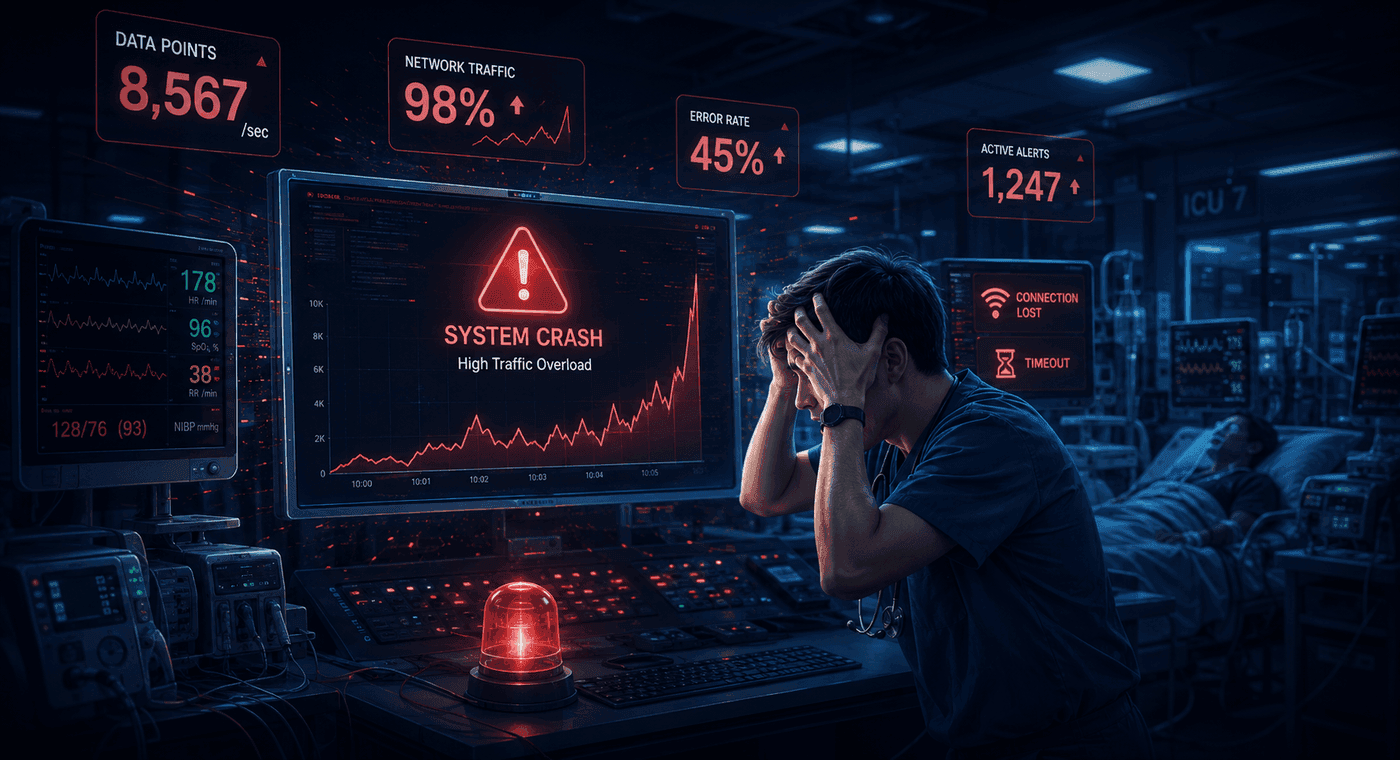
High-density units like the ICU throw off thousands of data points a second, buckling unoptimized networks under the traffic.
We design, build, and operate intelligent medical device integration ecosystems that transform hardware outputs into instantly actionable clinical charts. From bedside device mapping to high-availability gateway configuration, we manage the pipeline that brings device data to life.
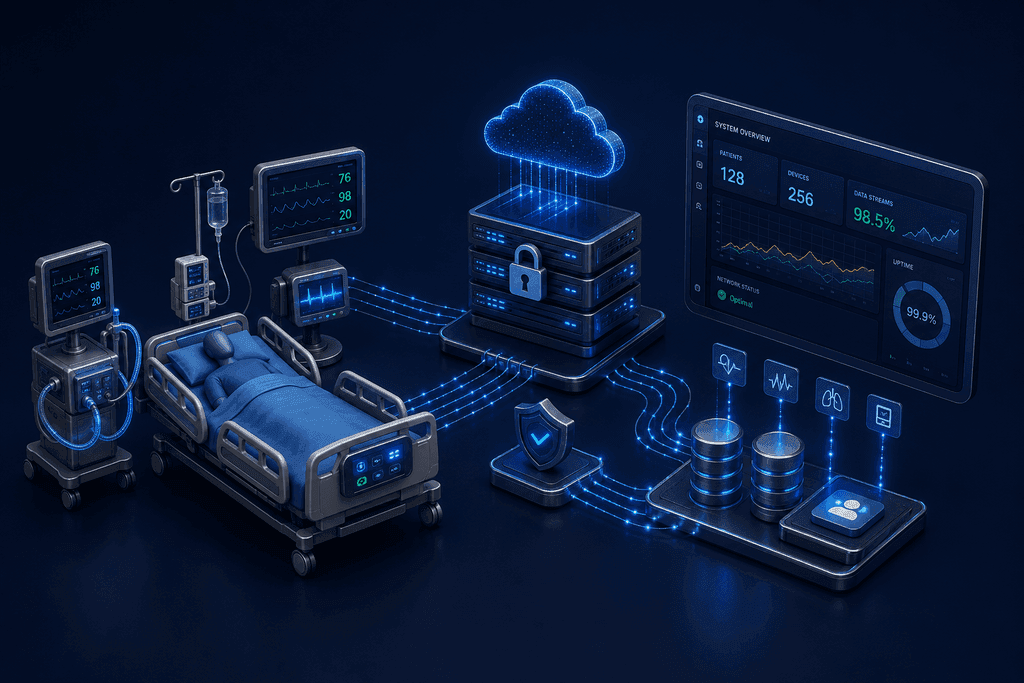
Wire up critical care hardware including ventilators, infusion pumps, and anesthesia units into central data collection networks.
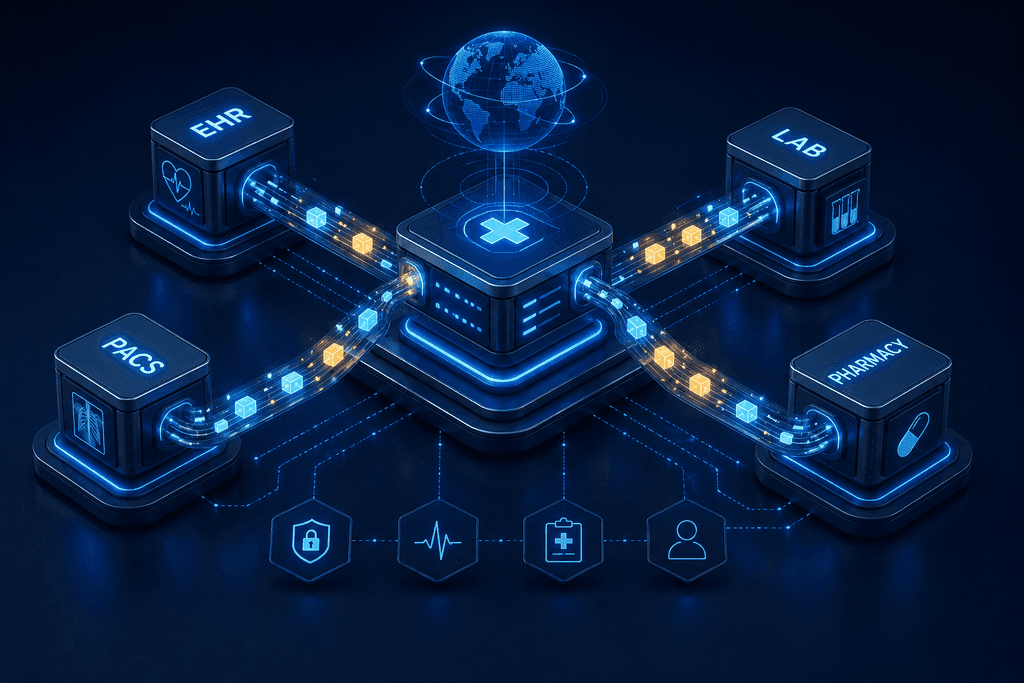
Build translation engines that take proprietary machine signals and convert them instantly into global healthcare formats.
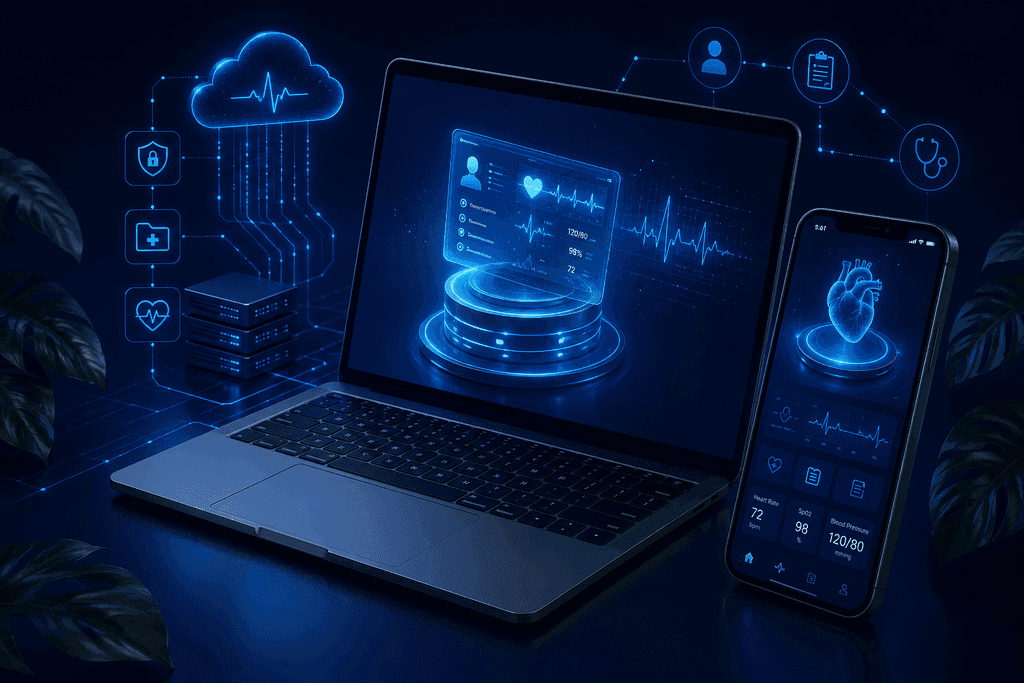
Connect device servers cleanly to enterprise EHR systems to automatically update patient vital sign grids at chosen time cycles.
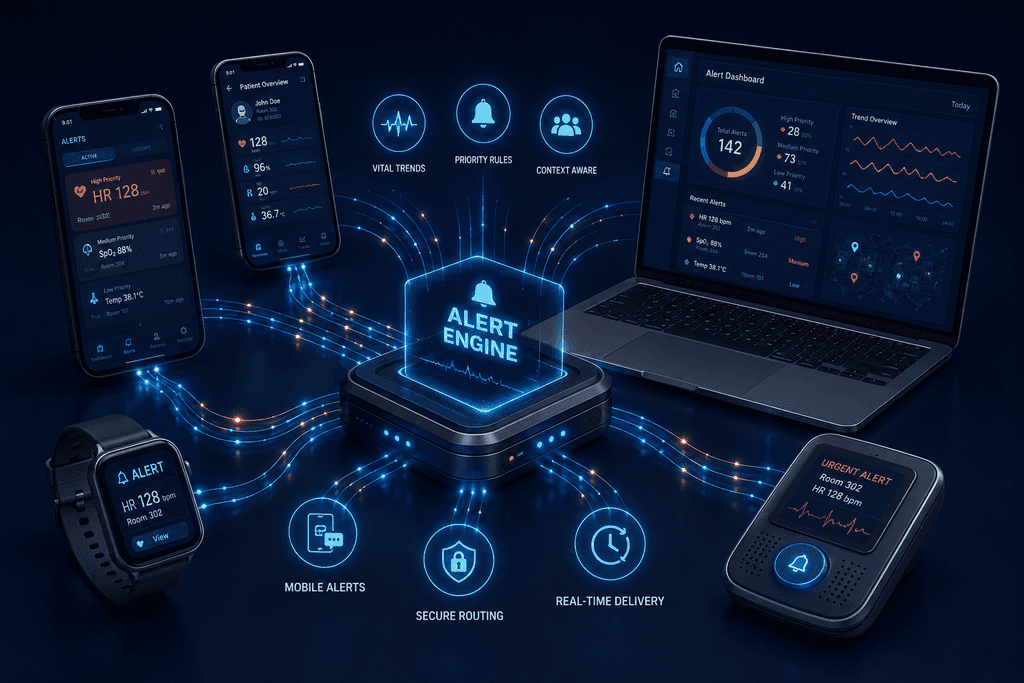
Program rule-based processing logic that evaluates multi-vital trends to route urgent, high-priority alerts straight to mobile nurse phones.
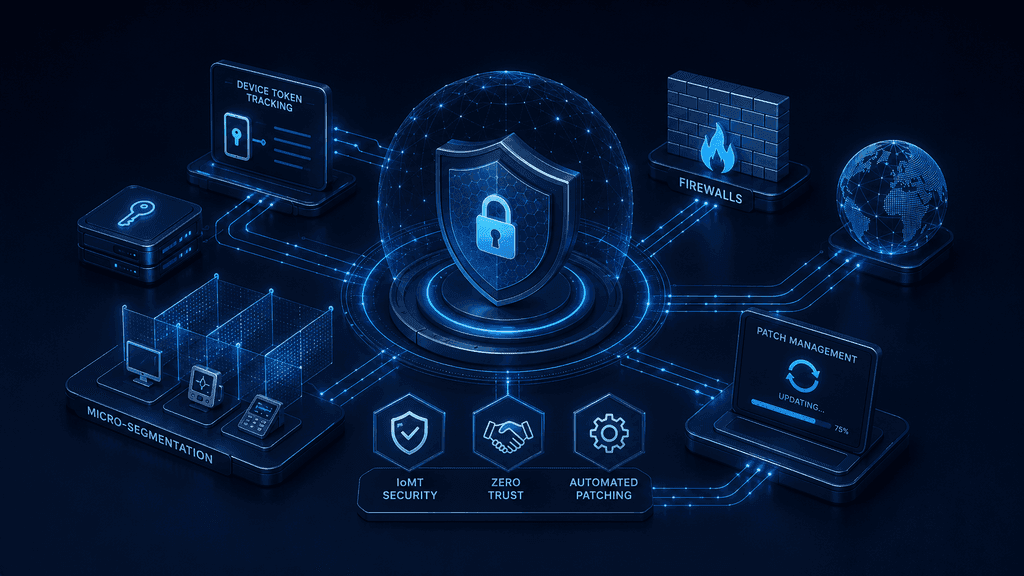
Deploy secure architecture profiles including device token tracking, micro-segmentation, and firewalls to safeguard device lanes.
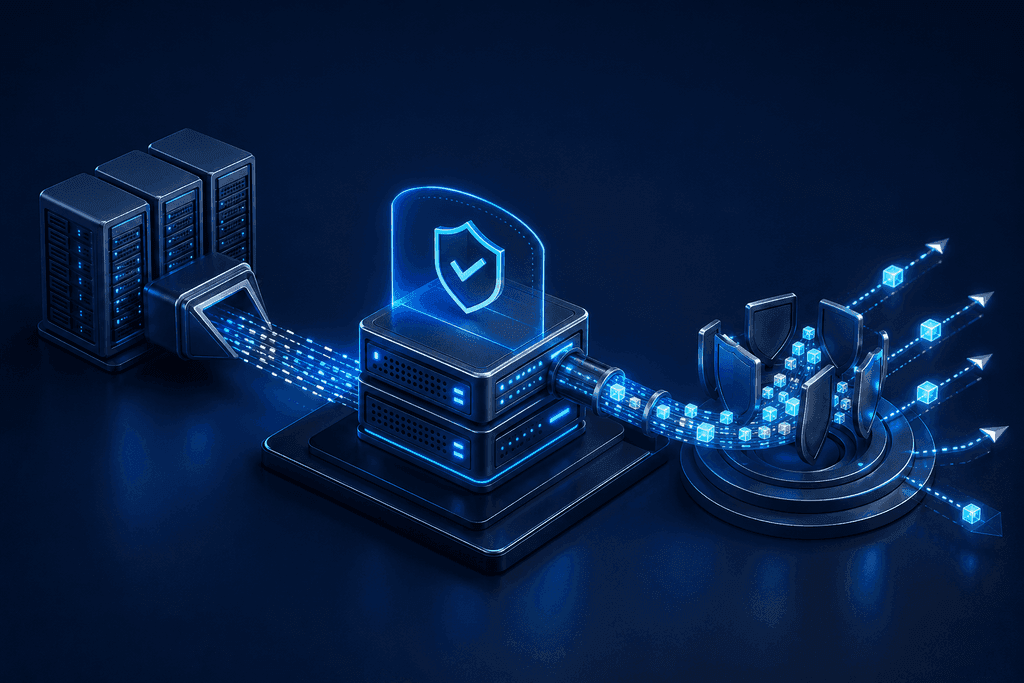
Construct local caching servers that ingest millions of data packets smoothly from across the facility without dropping messages.
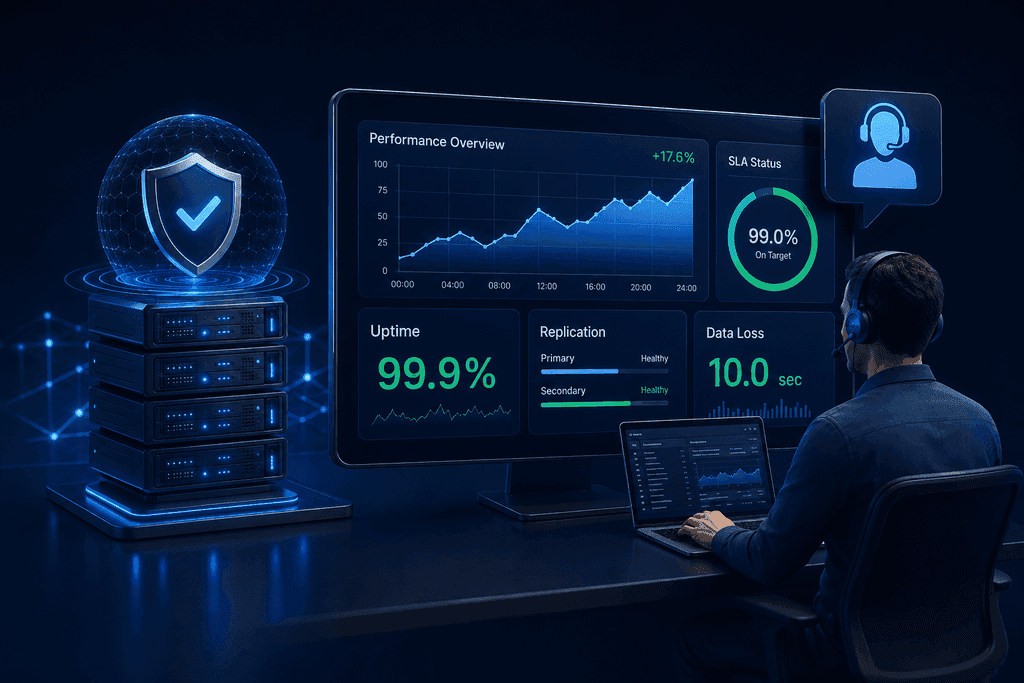
Continuously run data latency checks and network failover simulations to verify that data flows never drop out during an emergency.
How we deliver your devices
We inventory your active machine inventory, evaluate network hardware limits, check software endpoints, and audit clinical workflows to outline the layout.
We select the ideal middleware or interface manager engine, drawing up a clear map showing how serial, network, or wireless signals turn into records.
Our engineers install the physical or virtual integration gateways, construct the protocol maps, and wire up the APIs directly into your core charting engine.
We run intense trial cycles verifying the data matching accuracy of every machine category, test failover speeds, and run detailed compliance scans.
We roll out the live device data streams unit by unit, providing on-the-floor support teams to ensure hardware pairing and system syncing stay flawless.
Post-launch, we maintain data channels, deploy firmware updates, adjust alert thresholds using nurse feedback, and scale the footprint as new equipment arrives.
Direct machine streaming completely removes manual typing mistakes, providing clean data you can trust for clinical choices.
Continuous vital sign tracking allows care teams to catch downward trends early and step in long before code situations escalate.
Automating simple vital tracking loops eliminates repetitive logging tasks, saving hours of shift time for actual bedside care.
Isolating device networks and enforcing token access keeps your physical hospital gear fully safe from outside cybersecurity threats.
Dynamic processing structures filter out harmless data blips, cutting down alert clutter so teams can focus on real emergencies.
Standardizing data footprints guarantees that whether data originates on a pump or a monitor, it fits cleanly into the patient chart.
Talk to our technology specialists about your current platform challenges and what a future-ready medical devices could look like for your business.


