

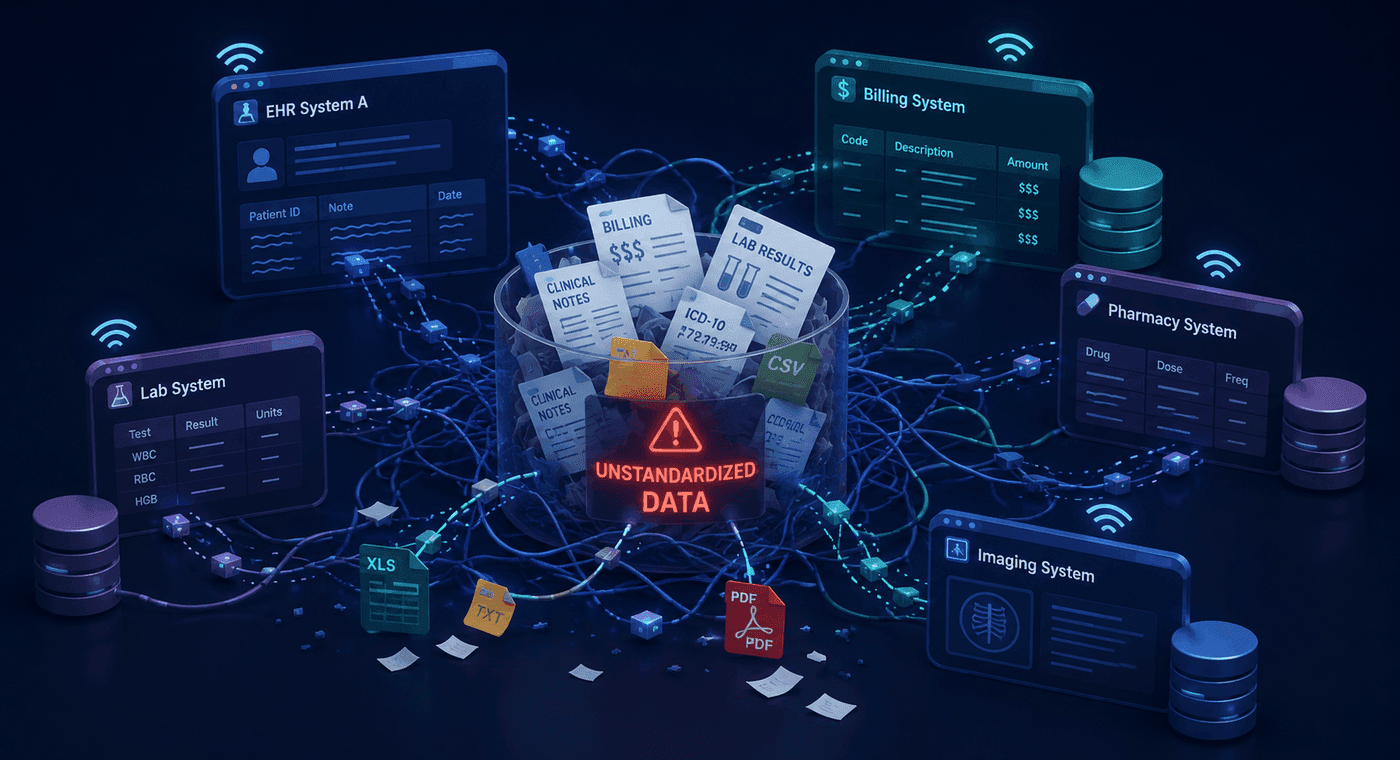
Toxic and unstandardized data
Clinical notes, billing codes, and lab metrics are trapped in messy formats across different systems, making it impossible to run clean analysis.



Healthcare
Your medical data holds the answers to better patient outcomes and operational efficiency. UpArrow Systems designs, implements, and manages unified healthcare analytics architectures built to turn raw clinical, financial, and operational metrics into real-time predictive models and actionable insights, keeping your organization proactive, resilient, and always ahead.
Before we talk about solutions, we need to talk about what's actually broken. These are the most common data bottlenecks and analytical gaps preventing medical networks from extracting real value from their information.
Clinical notes, billing codes, and lab metrics are trapped in messy formats across different systems, making it impossible to run clean analysis.
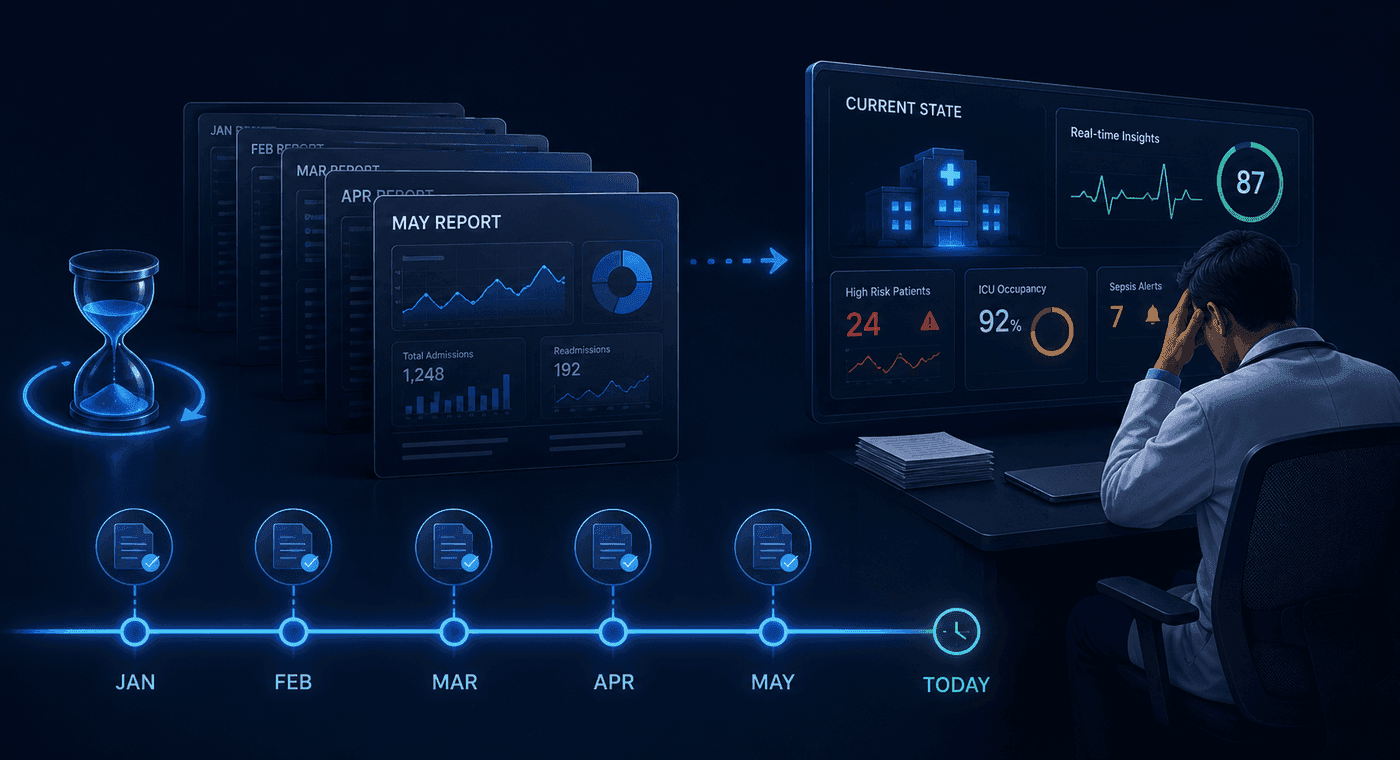
Systems only show what happened last month or last quarter, leaving care teams with zero ability to predict or prevent critical events today.
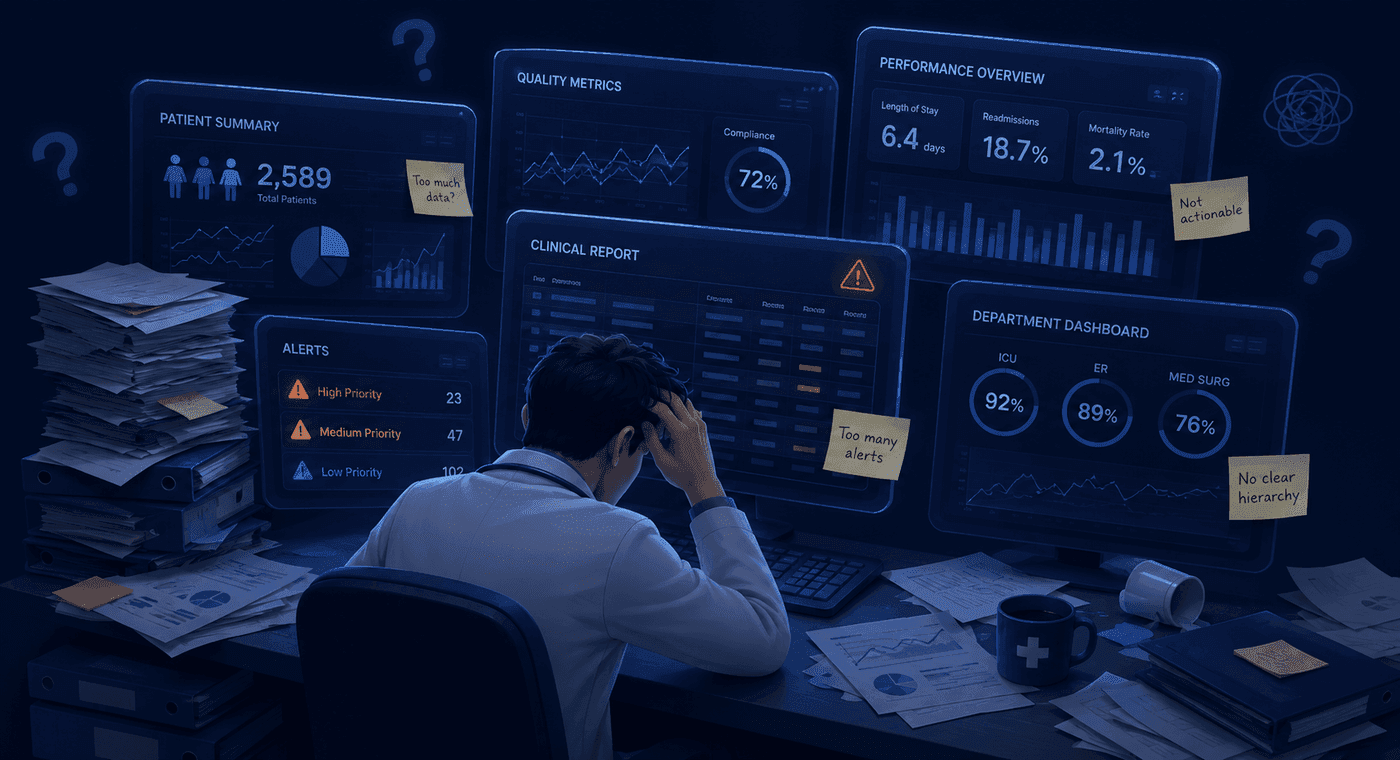
Doctors and administrators are flooded with cluttered reports that lack clear hierarchy, obscuring the actual critical insights they need.
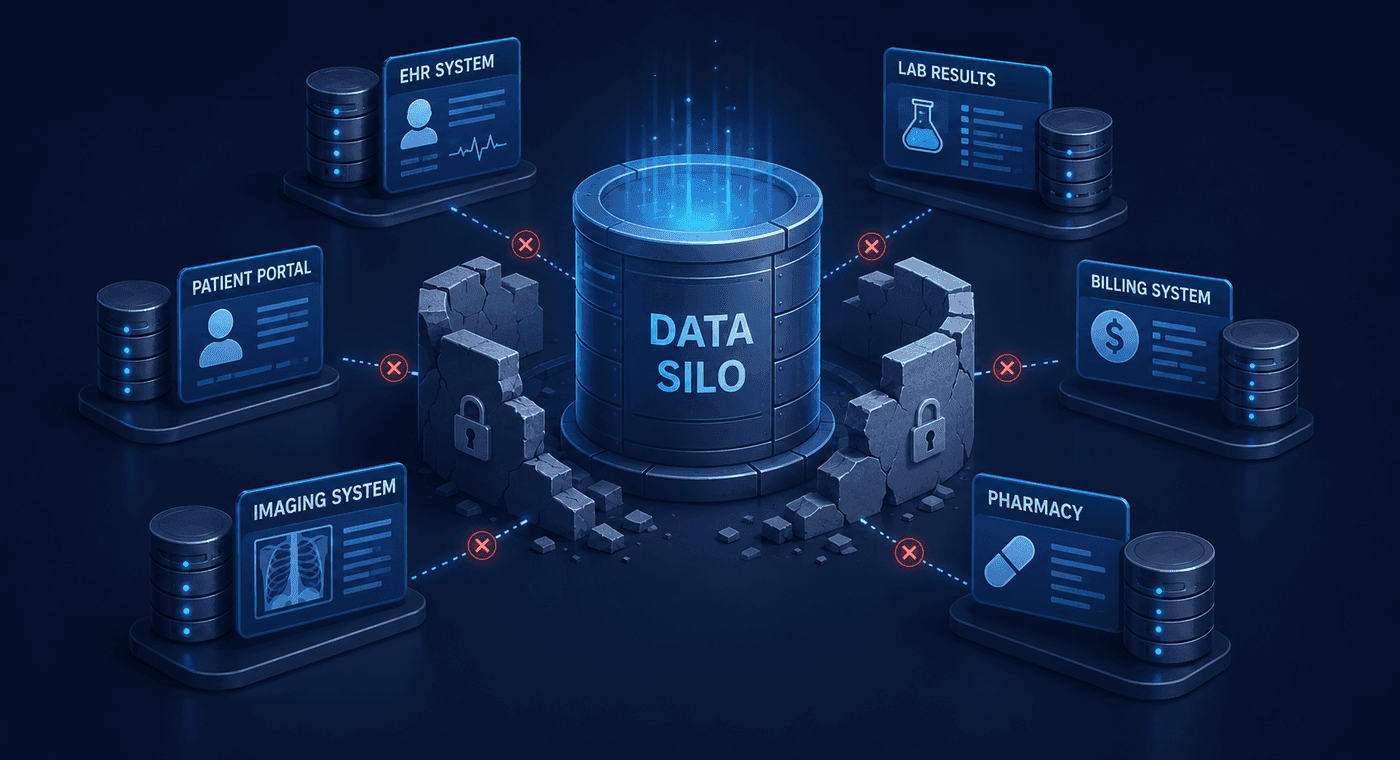
Financial data doesn't talk to patient outcome metrics, leaving leadership blind to the true cost-of-care and efficiency leaks.
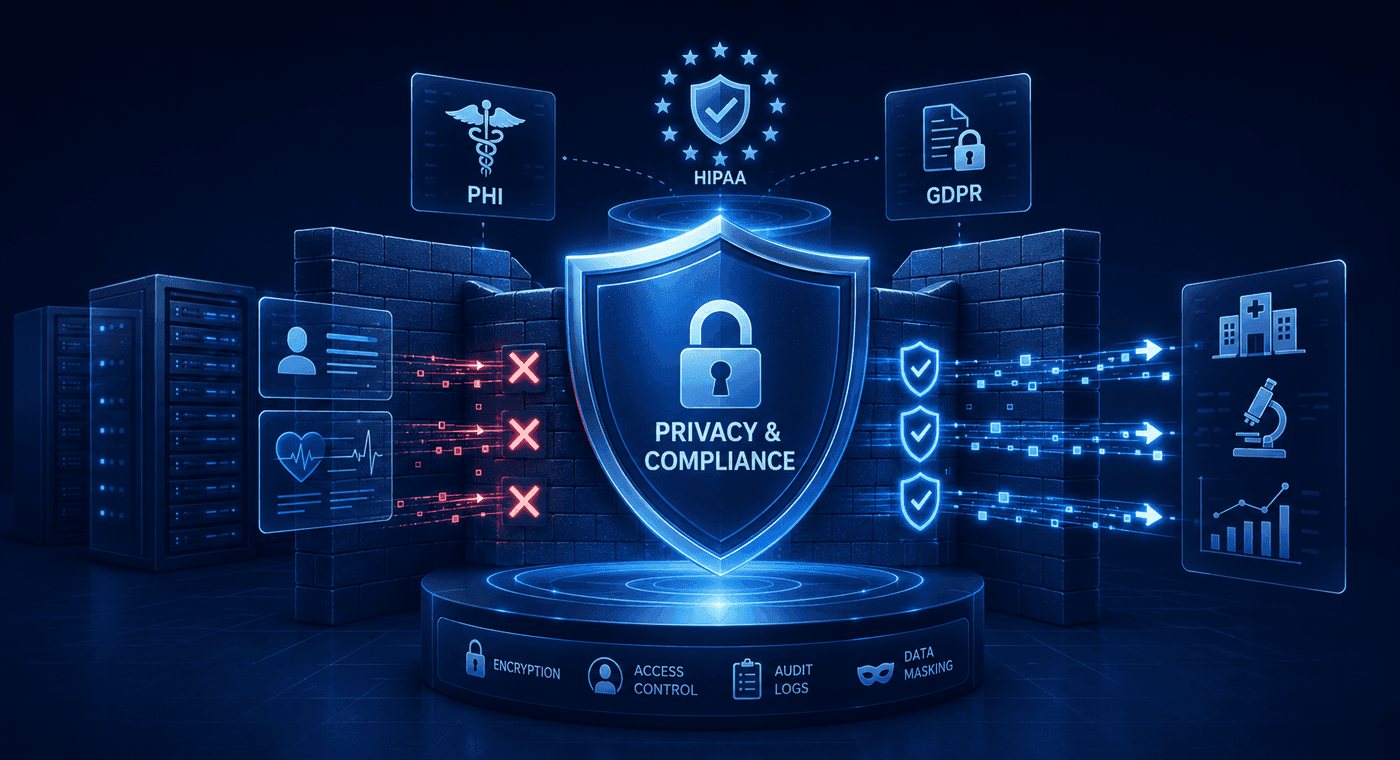
Trying to share or analyze patient populations across research departments or facility networks without secure anonymization violates strict laws.
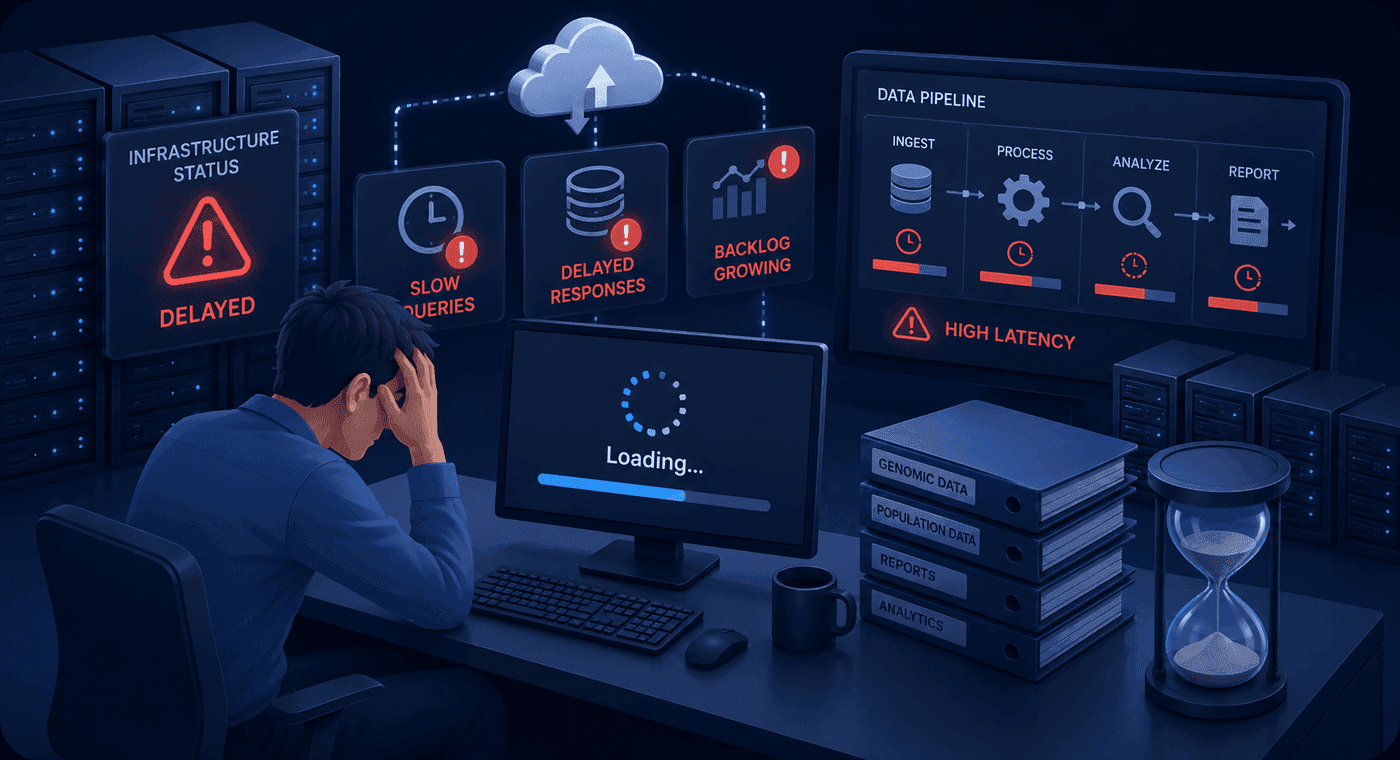
Querying large-scale genomic or population health datasets takes hours, delaying time-critical strategic and medical decisions.
We design, build, and operate advanced data intelligence ecosystems that turn scattered health data into continuous, predictive clinical foresight. From data pipeline normalization to machine learning model deployment, we manage every layer required to scale analytics safely.

Architect secure, cloud-based data warehouses that ingest, clean, and unify disparate data sources into a structured source of truth.
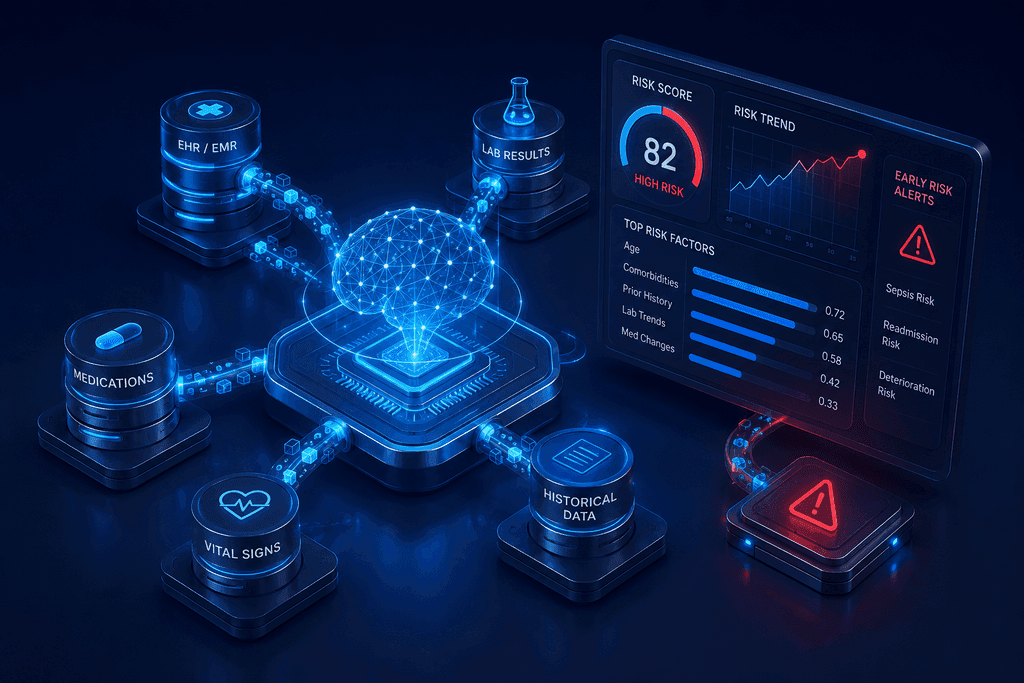
Build and train custom machine learning models that assess patient charts in real time to flag early risks for sepsis, readmission, or chronic decline.
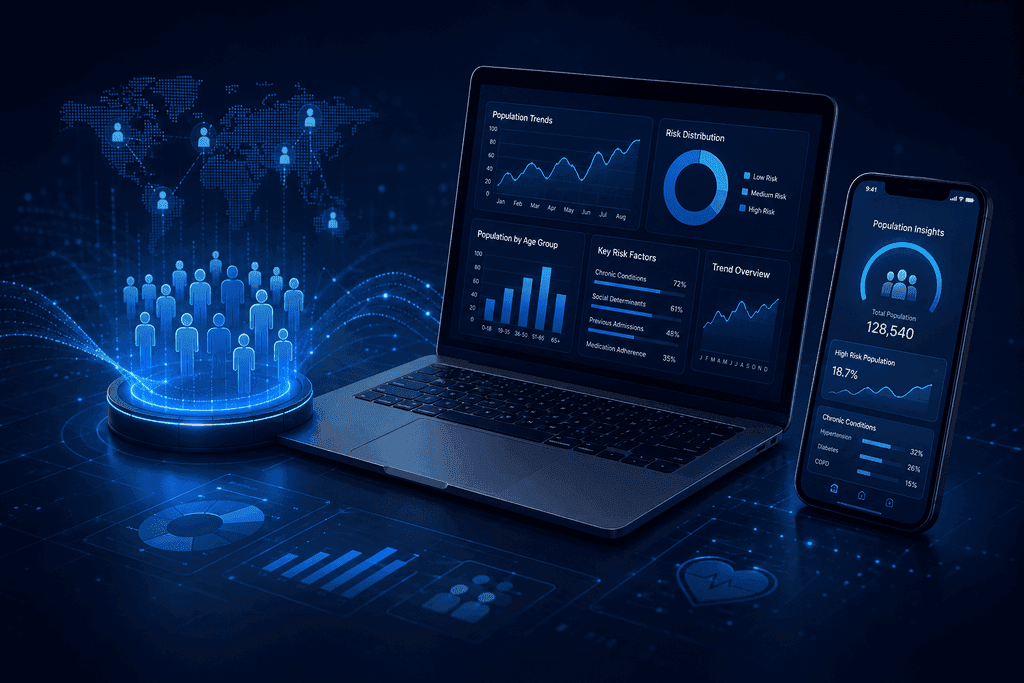
Implement stratifying algorithms that segment patient populations by risk profiles, social determinants, and chronic conditions for proactive care.

Deploy real-time intelligence panels that predict emergency department surges, optimize staff scheduling, and forecast bed availability.

Configure automated data masking and anonymization pipelines that let research and financial teams extract insights while protecting privacy.

Deploy clinical NLP models that parse unstructured physician progress notes to extract hidden diagnoses, symptoms, and social factors.

Optimize pipeline streaming and query processing to guarantee that heavy, predictive ML models deliver insights directly to point-of-care screens instantly.
How we deliver your analytics
We inventory your data assets, locate system silos, assess clinical and financial metric priorities, and review security limits to build your analytics roadmap.
We recommend the ideal analytics stack and data lake model, designing a secure data blueprint that maps ingestion, machine learning loops, and visualization.
Our data engineers construct the automated pipelines, standardize schemas using global models, and deploy machine learning pipelines directly into your operational systems.
We aggressively validate data matching across millions of records, rigorously test machine learning model accuracy against historical data, and run strict compliance audits.
We launch live pipelines and predictive dashboards across departments with on-call technical staff monitoring data flow speeds, model performance, and script triggers.
Post-launch, we constantly monitor data pipelines, retrain machine learning models to combat data drift, update dashboard layouts, and expand analytical features as you grow.
Catch patient deterioration and clinical risks hours before they escalate, shifting care from reactive to life-savingly proactive.
Pinpoint expensive process leaks, reduce unnecessary readmission penalties, and match staffing perfectly to patient surges.
Replace overwhelming walls of metrics with simple, clear indicators that highlight exactly who needs immediate clinical attention.
Sophisticated, built-in masking and access controls allow deep organizational data modeling without compromising patient privacy rules.
Eliminating the need to run manual data pulls gives analyst teams immediate, automated access to accurate operational reports.
Target high-risk demographics with personalized preventive care before chronic issues turn into emergency hospitalizations.
Talk to our technology specialists about your current platform challenges and what a future-ready medical analytics could look like for your business.


